---
title: "AI Pre-Call Research in 2026: 8 Signals That Help B2B Reps Walk Into Every Discovery Call With a Winning Game Plan"
description: AI pre-call research surfaces 8 signals B2B reps need before every discovery call in 2026. A practical 5-minute prep framework that lifts win rates.
image: https://media.giphy.com/media/l46Cy1rHbQ3qHyAvK/giphy.gif
---
[.png)](https://www.getdarwin.ai/en?utm_source=organic)
Industries
[ Automotive](https://www.getdarwin.ai/en/industrias/automotriz?utm_source=organic) [ Education](https://www.getdarwin.ai/en/industrias/educacion?utm_source=organic) [ Real State](https://www.getdarwin.ai/en/industrias/inmobiliario?utm_source=organic) [ Retail](https://www.getdarwin.ai/en/industrias/retail?utm_source=organic) [ Health](https://www.getdarwin.ai/en/industrias/salud?utm_source=organic) [ Insurance](https://www.getdarwin.ai/en/industrias/seguros?utm_source=organic) [ Services](https://www.getdarwin.ai/en/industrias/servicios?utm_source=organic)
IA Workforce
[ Alba, Inbound](https://www.getdarwin.ai/en/worker/alba?utm_source=organic) [ Bruno, Outbound](https://www.getdarwin.ai/en/worker/bruno?utm_source=organic) [ Eva, CX](https://www.getdarwin.ai/en/worker/eva?utm_source=organic) [ Sophia, Post-Sales](https://www.getdarwin.ai/en/worker/sophia?utm_source=organic) [ Lucas, Cobranzas](https://www.getdarwin.ai/en/worker/rio?utm_source=organic)
[About Us](https://www.getdarwin.ai/en/about-us?utm_source=organic) [Partners](https://www.getdarwin.ai/en/partners?utm_source=organic)
Resources
[ Blog](https://blog.getdarwin.ai/en/) [ Press](https://www.getdarwin.ai/en/press?utm_source=organic) [ ROI Calculator](https://www.getdarwin.ai/en/roi-calculator?utm_source=organic) [ Whatsapp Link Generator](https://www.getdarwin.ai/en/whatsapp-link-generator?utm_source=organic) [ Whatsapp QR Generator](https://c2w.getdarwin.ai/en)
EN
[ES](https://blog.getdarwin.ai/es/?hsLang=en) [EN](https://blog.getdarwin.ai/en/) [PT](https://blog.getdarwin.ai/pt-br/?hsLang=en)
[Login](https://app.getdarwin.ai/login) [Try Darwin ](https://app.getdarwin.ai/signup?landing=homepage&language=en&utm_source=organic_homepage&utm_medium=LeadGen)
Industries
[ Industries](https://www.getdarwin.ai/en/industrias/automotriz?utm_source=organic) [ Education](https://www.getdarwin.ai/en/industrias/educacion?utm_source=organic) [ Real State](https://www.getdarwin.ai/en/industrias/inmobiliario?utm_source=organic) [ Retail](https://www.getdarwin.ai/en/industrias/retail?utm_source=organic) [ Health](https://www.getdarwin.ai/en/industrias/salud?utm_source=organic) [ Insurance](https://www.getdarwin.ai/en/industrias/seguros?utm_source=organic) [ Services](https://www.getdarwin.ai/en/industrias/servicios?utm_source=organic)
IA Workforce
[ Alba, Inbound](https://www.getdarwin.ai/en/worker/alba?utm_source=organic) [ Bruno, Outbound](https://www.getdarwin.ai/en/worker/bruno?utm_source=organic) [ Eva, CX](https://www.getdarwin.ai/en/worker/eva?utm_source=organic) [ Sophia, Post-Sales](https://www.getdarwin.ai/en/worker/sophia?utm_source=organic) [ Lucas, Collections](https://www.getdarwin.ai/en/worker/rio?utm_source=organic)
[About Us](https://www.getdarwin.ai/en/about-us?utm_source=organic) [Partners](https://www.getdarwin.ai/en/partners?utm_source=organic)
Resources
[ Blog](https://blog.getdarwin.ai/en/) [ Press](https://www.getdarwin.ai/en/press?utm_source=organic) [ ROI Calculator](https://www.getdarwin.ai/en/roi-calculator?utm_source=organic) [ Whatsapp Link Generator](https://www.getdarwin.ai/en/whatsapp-link-generator?utm_source=organic) [ Whatsapp QR Generator](https://c2w.getdarwin.ai/en)
EN
[ES](https://blog.getdarwin.ai/es/?hsLang=en) [EN](https://blog.getdarwin.ai/en/) [PT](https://blog.getdarwin.ai/pt-br/?hsLang=en)
[Login](https://app.getdarwin.ai/login) [Try Darwin ](https://app.getdarwin.ai/signup?landing=homepage&language=en&utm_source=organic_homepage&utm_medium=LeadGen)

# AI Pre-Call Research in 2026: 8 Signals That Help B2B Reps Walk Into Every Discovery Call With a Winning Game Plan
05 de May, 2026
The average B2B sales rep spends 38 minutes preparing for a typical discovery call — yet only 23% of reps say they walk in feeling truly prepared. That gap is the single biggest hidden cost in modern sales motions. Reps who walk in unprepared lose the room in the first three minutes, default to generic discovery questions, and miss the buying signals that close deals. In 2026, there is no excuse for that gap. AI pre-call research has matured into a category of its own, and the teams using it well are running circles around the rest of the market.
This guide is a practical playbook. It covers what AI pre-call research actually does, the eight specific signals to look for before any discovery call, the five-minute prep framework that high-performing AEs are using to walk into every call with a winning game plan, and the ROI you should expect from a serious deployment in the next two quarters.
## What "AI Pre-Call Research" Actually Means in 2026
AI pre-call research is the use of large language models, retrieval systems, and signal-detection agents to assemble a personalized briefing on a prospect, the company they work at, and the buying context — automatically, in seconds, before every meaningful sales conversation. It is the digital equivalent of having a research analyst dedicated to every call on your calendar.
The shift in 2026 has three components:
- **From manual to autonomous**: A briefing that used to take 30 minutes of LinkedIn stalking and Crunchbase digging now takes 8 seconds and shows up in your calendar invite.
- **From generic data to ranked signals**: AI does not just dump everything; it surfaces the three to five signals that matter most for this specific deal at this specific stage.
- **From PDF brief to in-flow guidance**: The briefing lives in your CRM, your meeting tool, and your sales engagement platform — wherever you already work.
## The 38-Minute Problem (and Why Most Reps Skip Prep Entirely)
Surveyed reps consistently say the same thing: prep is critical, but they do not have time. Between back-to-back meetings, follow-ups, and admin work, an AE running 12 calls a week cannot reasonably spend 38 minutes prepping for each one. So they short-circuit. They glance at the LinkedIn profile in the elevator. They open the company website while small-talking on Zoom. They wing the discovery and hope the conversation surfaces something interesting.
The result is predictable: shallow discovery, missed pain, generic next steps, and prospects who quietly drop out of the funnel. Recent funnel analytics from B2B SaaS teams show that calls where the rep clearly did less than 5 minutes of prep have a 31% lower advance rate to the next stage compared to calls where the rep had a structured briefing. That is not a small gap.
## 8 Signals AI Should Surface Before Every Discovery Call
### 1. Buying Intent Signals
Has the prospect's company recently visited your pricing page, downloaded a comparison guide, or attended one of your webinars? Has anyone in their buying group been hand-raising elsewhere on the web — review sites, communities, Reddit? AI consolidates first-party and third-party intent signals into a single readout, with a recency score and a "next best question" you can ask to validate the signal in conversation.
### 2. Tech Stack Context
Knowing whether the prospect already runs Salesforce, HubSpot, Zendesk, or Intercom changes everything about how you position your solution. AI pulls technographic data from BuiltWith, Wappalyzer, and similar sources, then maps it to your integration partnerships, your typical migration path, and the playbooks that have closed deals with similar stacks.
### 3. Recent Funding and Financial Posture
A company that just closed a Series C is in expansion mode and willing to invest in growth tooling. A company in a profitability push is squeezing every dollar. AI surfaces the latest funding round, key investor names, recent earnings commentary (for public companies), and any layoff or hiring freeze announcements — all of which directly inform pricing strategy and value framing.
### 4. Hiring Signals
Open job postings tell you exactly what problems the company is trying to solve. Twelve open SDR roles? They are scaling outbound. Three open data engineer roles? They are investing in analytics. AI parses job posts and ranks the ones that are most relevant to your offering, complete with the specific keywords from the JD that you can echo back during discovery.
### 5. Org Chart Changes and Champion Movement
Your former champion just left for a new company? They are now a warm lead at that new company, and a potential signal for fresh disruption at the old one. New CRO joined the prospect six weeks ago? They are likely auditing the tech stack and open to switching vendors. AI tracks LinkedIn moves across your accounts and surfaces the patterns that matter.
### 6. News, Press, and Strategic Initiatives
Recent press releases, investor announcements, conference talks, and earnings calls reveal strategic priorities in plain language. AI summarizes the last 90 days of public communications into three bullets you can casually reference: their announced priorities, their stated metrics, and the specific quotes from leadership that align with your value prop.
### 7. Personal Context on Your Contacts
Did your prospect just publish a LinkedIn post on the exact pain point you solve? Did they share an article last week about the framework you use? AI surfaces personal signals that let you open with relevance, not flattery. There is a clear line between thoughtful preparation and creepy surveillance — stay on the public, professional side of it, always.
### 8. Competitive Context
Are they currently a customer of your top competitor? Have they recently posted a negative review of that competitor? Are they evaluating multiple vendors right now? AI mines G2, Trustpilot, public communities, and your own sales activity to surface the competitive shape of the deal before you walk in.
## The 5-Minute Pre-Call Prep Framework
Here is the framework top performers are using in 2026, designed to fit in the five-minute window between back-to-back meetings:
### Minute 1: Read the Auto-Generated Brief
Open the calendar invite. The AI brief is already there: a one-paragraph company summary, the three highest-ranked signals, and a recommended discovery angle. Read it. That is it. Do not try to verify everything; trust the system and use the time to *think*.
### Minute 2: Pick Your Hypothesis
Based on the signals, form a single hypothesis about why the prospect agreed to the meeting. Are they comparing vendors? Reacting to a recent announcement? Trying to solve a specific pain? Write the hypothesis in one sentence in your call notes. You will validate or invalidate it in the first five minutes of the conversation.
### Minute 3: Choose Your Opening Line
Most reps default to "Tell me about yourself and your role." That works, but it is forgettable. Use a signal-driven opener: "I noticed your team posted three new SDR roles in the last 30 days — what is driving the outbound expansion?" That kind of opener signals you did your homework, and it surfaces real context fast.
### Minute 4: Stage the First Three Discovery Questions
Pick three questions that pressure-test your hypothesis. Each one should be open-ended, specific, and grounded in the signals from the brief. Avoid "What are your top priorities?" — that is the lazy fallback. Use "Your CEO mentioned focusing on net revenue retention in the last earnings call. What does that mean for your team's targets this quarter?"
### Minute 5: Pre-Position the Next Step
Decide before the call what a successful next step looks like. A demo? A multi-stakeholder workshop? A pricing conversation? The brief should have suggested one based on similar deals; refine it in your head. When the moment comes at the end of the call, you are not improvising — you are executing.
## How AI Pre-Call Research Stacks Compare to Manual Research
Side-by-side, the difference is stark. Manual research takes 25 to 45 minutes per call, depends entirely on rep diligence, and produces inconsistent quality. AI-driven research takes 5 to 30 seconds, produces a consistent format every time, and surfaces signals that even a diligent rep would miss because they are too far across the public web.
That said, AI is not a substitute for a curious rep. The best teams treat the AI brief as a starting point: the rep adds their own intuition, their own customer context, and any nuance they have picked up from prior conversations. The rep's job moves up the value chain, from data gathering to judgment.
## Implementation: A 60-Day Rollout Plan
Week 1–2: Connect your CRM and meeting tool to a pre-call research platform. Many platforms — including **Darwin AI** and similar agentic providers — auto-generate briefings inside the calendar invite without requiring reps to change their workflow.
Week 3–4: Roll out to a pilot of five reps. Track three metrics: prep time per call, advance rate to next stage, and rep-reported confidence. Run a weekly retro to refine the brief format.
Week 5–6: Expand to the full team. Layer in industry-specific question packs and competitive playbooks. Add manager visibility so leaders can coach off briefings.
Week 7–8: Operationalize. Tie brief usage to onboarding (every new rep gets the same prep system), to coaching (managers review briefs before pipeline reviews), and to win/loss analysis (signals surfaced versus signals confirmed).
## Pitfalls to Avoid
**Pitfall 1: Treating AI as a magic eight ball.** The brief is data plus a hypothesis. The rep still has to think, judge, and adapt. Reps who paste the AI brief into the call get burned the second the prospect goes off-script.
**Pitfall 2: Over-personalizing in a way that feels invasive.** Mentioning a prospect's recent LinkedIn post is fine. Mentioning their kid's school district from a public Facebook profile is not. Stay strictly professional.
**Pitfall 3: Letting the brief replace listening.** The brief sets the hypothesis. The conversation tests it. The best reps come in with strong points of view and immediately update them based on what they hear.
**Pitfall 4: Ignoring the data hygiene problem.** If your CRM is missing fields and your enrichment is stale, the AI brief is going to be thin. Invest in clean data in parallel with the rollout.
## The Bottom Line
AI pre-call research is a quiet but compounding advantage. Reps who use it walk into every conversation with a richer mental model and a sharper hypothesis. Over a year, the gap between AI-prepped reps and unprepared reps becomes structural — visible in pipeline velocity, win rates, and rep retention.
If your team is still relying on manual prep — or skipping prep entirely — you are leaving deals on the table every single week. Pick a tool, run the 60-day rollout, and measure the lift. The signals are already in the public web. The question is whether your reps are walking into the room knowing them.
Compartir [](https://twitter.com/intent/tweet?url=&text=) [mailto:?subject=&body=](mailto:?subject=&body=)
[](https://www.getdarwin.ai/)
## Blog posts
[View All ](https://blog.getdarwin.ai/?hsLang=en)
[](https://blog.getdarwin.ai/en/support-capacity-planning-demand-spikes?hsLang=en)
[Support Capacity Planning: Handle Demand Spikes Without Hiring](https://blog.getdarwin.ai/en/support-capacity-planning-demand-spikes?hsLang=en)
Peak season doubles your ticket volume, not your headcount. The forecasting and automation math that keeps CSAT steady when demand spikes.
Lautaro Schiaffino • 13 Aug 2026
[](https://blog.getdarwin.ai/en/speed-to-lead-response-time-b2b?hsLang=en)
[Speed to Lead: Why Response Time Decides Who Wins the Deal](https://blog.getdarwin.ai/en/speed-to-lead-response-time-b2b?hsLang=en)
Most B2B teams reply to inbound leads in hours. Here is what that costs, how to measure it honestly, and how to close the gap without hiring…
Lautaro Schiaffino • 10 Aug 2026
[](https://blog.getdarwin.ai/en/average-handle-time-reduce-aht-without-hurting-csat?hsLang=en)
[Average Handle Time: How to Cut AHT Without Hurting CSAT](https://blog.getdarwin.ai/en/average-handle-time-reduce-aht-without-hurting-csat?hsLang=en)
Most AHT programs shave seconds and lose customers. Here is how to find the minutes hiding in wrap-up, hold and context - without rushing a …
Lautaro Schiaffino • 07 Aug 2026
[](https://blog.getdarwin.ai/en/customer-effort-score-ces-measure-reduce-ai?hsLang=en)
[Customer Effort Score: How to Measure CES and Reduce It with AI](https://blog.getdarwin.ai/en/customer-effort-score-ces-measure-reduce-ai?hsLang=en)
The metric that catches what CSAT misses: how to measure customer effort, read it against containment, and cut steps out of every resolution…
Lautaro Schiaffino • 06 Aug 2026
[](https://blog.getdarwin.ai/en/ai-credit-management-approve-b2b-orders?hsLang=en)
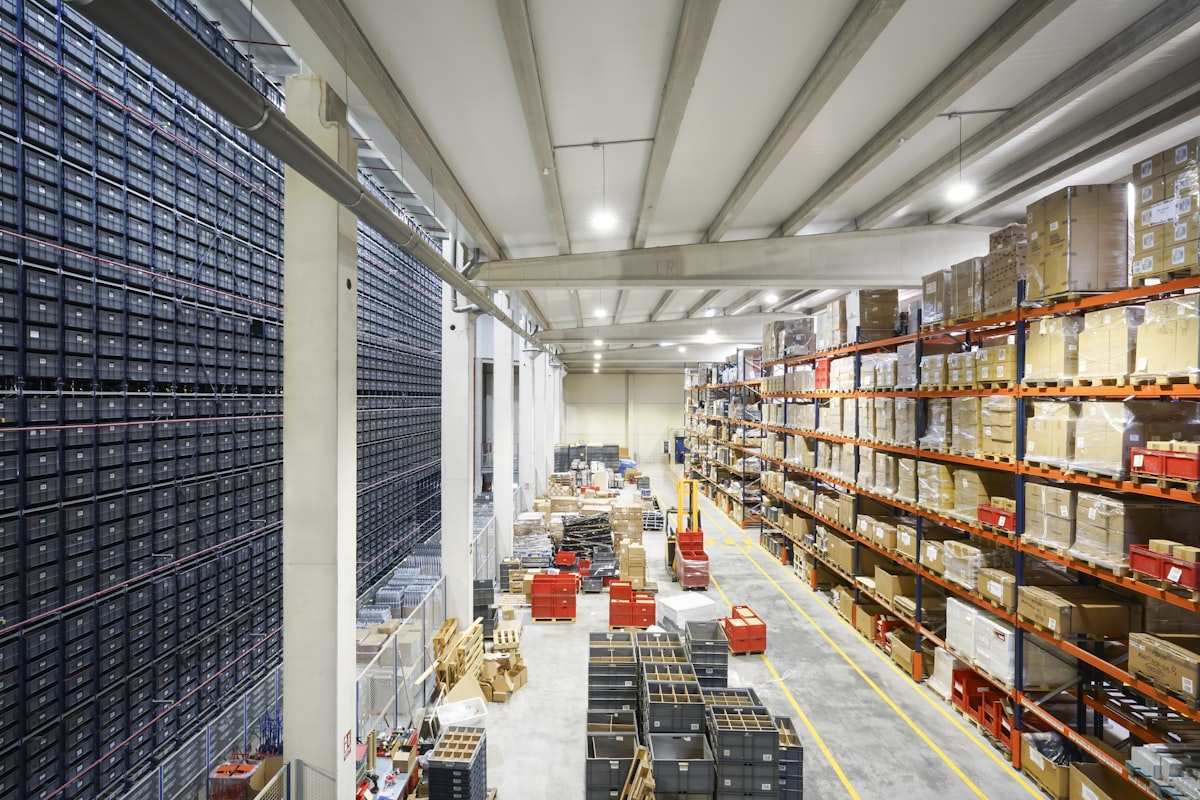
[AI Credit Management: Approve More B2B Orders, Write Off Less](https://blog.getdarwin.ai/en/ai-credit-management-approve-b2b-orders?hsLang=en)
Late payments hit a huge share of B2B receivables. See how AI credit scoring decides who gets terms, and how much, before the invoice exists…
Lautaro Schiaffino • 05 Aug 2026
[](https://blog.getdarwin.ai/en/how-to-reduce-dso-b2b-playbook?hsLang=en)
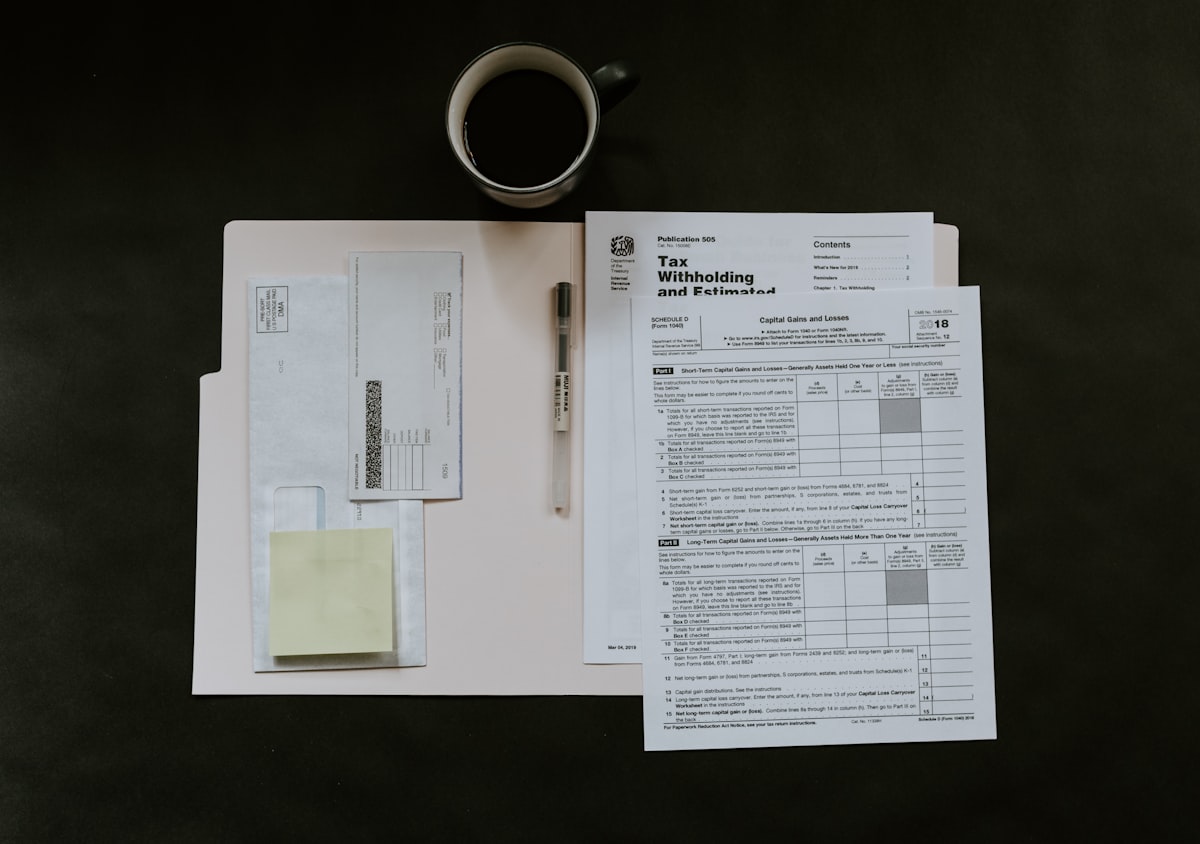
[How to Reduce DSO: The B2B Playbook for Faster Cash](https://blog.getdarwin.ai/en/how-to-reduce-dso-b2b-playbook?hsLang=en)
Global B2B DSO runs ~45 days on Net 30 terms. Here are the levers that actually close that gap, ranked by how many days each one removes.
Lautaro Schiaffino • 04 Aug 2026
[](https://blog.getdarwin.ai/en/cost-per-resolution-support-metric?hsLang=en)
[Cost Per Resolution: The Support Metric That Exposes Real Cost](https://blog.getdarwin.ai/en/cost-per-resolution-support-metric?hsLang=en)
Your cost-per-ticket number is hiding a 2.3x multiplier. Here is how to find the real cost of every problem your support team solves.
Lautaro Schiaffino • 03 Aug 2026
[](https://blog.getdarwin.ai/en/containment-rate-ai-support-metric?hsLang=en)
[Containment Rate: The Metric That Shows If Your AI Support Works](https://blog.getdarwin.ai/en/containment-rate-ai-support-metric?hsLang=en)
Most teams calculate containment rate wrong and celebrate the result. Here are real benchmarks, the three signals that expose fake containme…
Lautaro Schiaffino • 31 Jul 2026
[](https://blog.getdarwin.ai/en/sales-to-customer-success-handoff-b2b-playbook?hsLang=en)
[Sales to Customer Success Handoff: The B2B Playbook That Sticks](https://blog.getdarwin.ai/en/sales-to-customer-success-handoff-b2b-playbook?hsLang=en)
The handoff is where deal context goes to die. The brief, the five steps and the four metrics that keep renewals from quietly slipping away.
Lautaro Schiaffino • 30 Jul 2026
[](https://blog.getdarwin.ai/en/ai-order-taking-whatsapp-email-orders-erp?hsLang=en)
[AI Order Taking: Turn WhatsApp and Email Orders into ERP Data](https://blog.getdarwin.ai/en/ai-order-taking-whatsapp-email-orders-erp?hsLang=en)
Your buyers order by chat and email. Here is what it really costs to retype those orders, and how AI captures them clean the first time.
Lautaro Schiaffino • 29 Jul 2026
[](https://blog.getdarwin.ai/en/ai-chargeback-management-prevent-win-disputes?hsLang=en)
[AI Chargeback Management: How to Prevent and Win More Disputes](https://blog.getdarwin.ai/en/ai-chargeback-management-prevent-win-disputes?hsLang=en)
Chargebacks cost far more than the refund. See how AI prevents disputes, automates evidence, and recovers revenue most merchants write off.
Lautaro Schiaffino • 27 Jul 2026
[](https://blog.getdarwin.ai/en/automated-payment-reminders-invoices-paid?hsLang=en)
[Automated Payment Reminders: Get Invoices Paid Without the Chase](https://blog.getdarwin.ai/en/automated-payment-reminders-invoices-paid?hsLang=en)
59% of businesses carry overdue invoices. See how automated, conversational reminders collect the money before you ever have to chase.
Lautaro Schiaffino • 24 Jul 2026


.png)
[Try Darwin Now](https://app.getdarwin.ai/signup?landing=homepage&language=en&utm_source=organic_homepage&utm_medium=LeadGen)
#### SiteMap
- [Home](https://blog.getdarwin.ai/?hsLang=en)
- [Partners](https://www.getdarwin.ai/en/partners?utm_source=organic)
-
- [Industries](https://www.getdarwin.ai/en/industrias?utm_source=organic)
- [API](https://api.getdarwin.ai/)
- [Jobs](https://apply.workable.com/darwin-ai/)
#### Industries
- [Automotive](https://www.getdarwin.ai/en/industrias/automotriz?utm_source=organic)
- [Education](https://www.getdarwin.ai/en/industrias/educacion?utm_source=organic)
- [Real Estate](https://www.getdarwin.ai/en/industrias/inmobiliario?utm_source=organic)
- [Retail](https://www.getdarwin.ai/en/industrias/retail?utm_source=organic)
- [Health](https://www.getdarwin.ai/en/industrias/salud?utm_source=organic)
- [Insurance](https://www.getdarwin.ai/en/industrias/seguros?utm_source=organic)
- [Services](https://www.getdarwin.ai/en/industrias/servicios?utm_source=organic)
#### Recursos
- [Blog](https://blog.getdarwin.ai/en)
- [ROI Calculator](https://www.getdarwin.ai/en/roi-calculator?utm_source=organic)
- [WhatsApp Link Generator](https://www.getdarwin.ai/en/whatsapp-link-generator?utm_source=organic)
- [WhatsApp QR Generator](https://c2w.getdarwin.ai/en)
- [Help Center](https://help.getdarwin.ai/en/)
#### Legal
- [Privacy policies](https://www.getdarwin.ai/en/politicas-de-privacidad?utm_source=organic)
- [Terms of Use](https://www.getdarwin.ai/en/tyc?utm_source=organic)
© 2025, Papagaio US Corp
[](https://www.linkedin.com/company/getdarwinai) [](https://www.instagram.com/darwinai.en/) [](https://x.com/getdarwinai) [](https://www.tiktok.com/@getdarwin)
```json
{
"@context" : "https://schema.org",
"@type" : "BlogPosting",
"author" : {
"@type" : "Person",
"name" : "Lautaro Schiaffino",
"url" : "https://blog.getdarwin.ai/en/author/lautaro-schiaffino"
},
"dateModified" : "2026-05-05T12:00:00.551Z",
"datePublished" : "2026-05-05T12:00:00.000Z",
"headline" : "AI Pre-Call Research in 2026: 8 Signals That Help B2B Reps Walk Into Every Discovery Call With a Winning Game Plan",
"image" : [ "https://media.giphy.com/media/l46Cy1rHbQ3qHyAvK/giphy.gif" ],
"mainEntityOfPage" : {
"@id" : "https://blog.getdarwin.ai/en/ai-pre-call-research-2026",
"@type" : "WebPage"
},
"publisher" : {
"@type" : "Organization",
"logo" : {
"@type" : "ImageObject",
"url" : "https://blog.getdarwin.ai/hubfs/Darwin%20AI%20Logo.jpg"
},
"name" : "Darwin AI"
}
}
```